Artificial Intelligence has moved far beyond being a futuristic concept — it is now one of the most practical tools available for anyone who wants to build new skills, save time, and generate extra income. Whether you are a student, a working professional, or someone exploring side hustles, AI tools have made it possible to start earning without needing a huge budget or years of specialized training. The key is to start small, stay consistent, and let your skills and income grow together.
This article breaks down why AI is such a powerful income-building tool, the most practical ways to make money with it, and how to get started the right way.
Why AI Is Worth Your Time
Before diving into specific methods, it helps to understand what makes AI such an attractive opportunity right now.
It saves time. Tasks that used to take hours — writing, editing, designing, researching — can now be automated or accelerated significantly, freeing you up to focus on higher-value work.
It’s affordable to start. Many powerful AI tools offer free tiers or low-cost plans, which means you don’t need a large upfront investment to begin experimenting and building income streams.
It has strong income potential. Because AI increases productivity, it also increases what you can charge and how much work you can take on, allowing your earnings to scale faster than traditional methods.
It lets you work from anywhere. Most AI-powered income streams are entirely online, meaning you can build a business or side income from home, a café, or while traveling.
It future-proofs your skills. Learning to use AI tools effectively today puts you ahead of the curve as these skills become increasingly valuable across almost every industry.
Blogs, articles, product descriptions, and website copy are always in demand. AI writing assistants can help you draft content faster, brainstorm ideas, and refine your tone — letting you take on more freelance writing clients or build your own content business.
2. AI Image and Graphic Design
From social media graphics to posters and thumbnails, AI image generation tools let people with no formal design background create professional-looking visuals. This opens doors to freelance design gigs, print-on-demand stores, and social media management services.
3. AI Video Creation
Faceless YouTube channels, short-form reels, and explainer videos have become massively popular because AI tools can generate scripts, visuals, and even full video edits with minimal manual effort. This is one of the fastest-growing niches for content creators.
4. AI Voiceovers
Realistic AI-generated voices are now used in advertisements, audiobooks, tutorials, and video narration. If you can write or source scripts, AI voice tools let you produce professional voiceover work without needing studio equipment or vocal training.
5. AI Chatbot Services
Businesses increasingly want automated customer support and lead-generation chatbots. Learning to build and customize chatbots can turn into a recurring monthly income stream, since businesses typically pay ongoing fees for maintenance and updates.
6. Teaching and Tutoring with AI
As more people want to learn how to use AI tools, there’s growing demand for tutors and course creators who can teach practical AI skills. Creating structured courses or offering one-on-one coaching can be a highly scalable income source.
7. AI-Powered E-commerce
AI tools can help with product research, listing optimization, customer service automation, and inventory management — making it easier to run a lean, efficient online store, even as a solo entrepreneur.
8. AI in Digital Marketing
From writing ad copy to generating leads and analyzing campaign performance, AI tools are transforming how digital marketing is done. Marketers who understand how to combine AI efficiency with strategic thinking are in high demand.
9. AI-Assisted Coding and App Development
AI coding assistants can dramatically speed up software development, helping both beginners and experienced developers build apps, plugins, and websites faster. This lowers the barrier to entry for freelance development work.
10. AI-Enhanced Email Marketing
Writing newsletters, automating email sequences, and optimizing subject lines are all tasks AI can support. Businesses value marketers who can use these tools to increase open rates and conversions with less manual effort.
Tips for Long-Term Success
Making money with AI isn’t about jumping into every trend at once. A more sustainable approach looks like this:
Master one method first. Trying to do everything at once often leads to shallow results. Pick one income stream, learn it well, and build real experience before branching out.
Practice with free tools. Most AI platforms offer free versions that are more than enough to learn the basics and build a portfolio.
Build a portfolio. Showcasing real examples of your work — even personal projects — makes it much easier to attract paying clients.
Stay consistent. Income from AI-based work often builds gradually. Regular effort compounds over time.
Keep learning. AI tools evolve quickly, so staying updated on new features and techniques keeps you competitive.
Where the Opportunities Are
Some of the most accessible entry points into AI-based income include:
Freelancing on platforms like Fiverr and Upwork
Running AI-assisted YouTube automation channels
Affiliate marketing using AI-generated content
Selling digital products or online courses
Reselling or consulting on AI tools for other businesses
Realistic Income Expectations
Earnings vary widely depending on skill level, consistency, and niche, but general ranges for popular AI-based roles look roughly like this:
Role
Typical Monthly Earning Potential
AI Content Writer
$500 – $3,000
AI Video Creator
$1,000 – $5,000
AI Chatbot Developer
$1,500 – $7,000
AI Marketer
$1,000 – $6,000
AI Course Creator
$2,000 – $10,000+
These figures aren’t guarantees — they reflect what’s achievable with focused effort, the right tools, and consistent client or audience building.
Final Thoughts
AI is not a shortcut to overnight wealth, but it is a genuine accelerator for people willing to learn and apply it strategically. The best time to start building AI-related skills was a while ago — but the next best time is today. Start with one method, use the free tools available, stay consistent, and let your income grow as your expertise does.
You can start selling products through print on demand on TikTok Shop without holding any inventory, handling shipping yourself, or even having an existing following. This guide walks through exactly how to set up a TikTok Shop store, connect it to a print-on-demand supplier, and start listing products for sale with essentially no financial risk. Whether you’ve never sold anything online before or you’re looking for a low-cost way to test new products, this step-by-step process makes it possible to launch a fully functioning store without spending money upfront.
What Is Print on Demand?
Print on demand is a business model where a supplier produces and ships products only after a customer places an order. Instead of buying inventory in advance, you pay per order as sales come in, which removes nearly all financial risk in the early stages of the business. This makes it especially well suited for beginners or anyone without much startup capital.
Why TikTok Shop Works for Print on Demand
TikTok has developed its own built-in marketplace, accessible through the TikTok Shop tab, where users can browse and purchase products directly. One of the platform’s biggest advantages is that shoppers can tag products they’re wearing or using directly within their posts. When that content goes live, viewers can purchase the featured product immediately, often without originally intending to shop at all. This built-in discovery process is a major reason TikTok Shop can generate sales even for sellers without an established following.
Step 1: Set Up Your TikTok Accounts
To get started, you’ll need two accounts:
A TikTok business account. It’s best to open a new account specifically for your store rather than using a personal one, since a business account gives you more control and access to analytics once your shop is linked.
A TikTok Shop Seller Central account. This is where you’ll manage your store, list products, and handle all seller-side operations. It also integrates directly with print-on-demand suppliers like Printify.
Verification Requirements
Because TikTok Shop involves earning money through the platform, setting up a Seller Central account requires a verification process. Be prepared to provide personal details such as your name, address, and tax information as part of this setup. Availability also varies by country, so it’s worth confirming that TikTok Shop Seller Central is accessible in your location before starting the process.
Choosing a Store Name and Niche
When creating your store, it’s worth deciding whether to build a niche-specific store or a product-specific store rather than listing random, unrelated items. Having a clear focus on what you’re selling and who you’re selling to helps build a more sustainable, recognizable store over time compared to a storefront with no clear direction. Consider this when choosing your store name, logo, and overall aesthetic, since a defined niche makes it easier to identify and reach your target audience.
Once your TikTok accounts are set up, the next step is connecting a print-on-demand supplier account, such as Printify, which integrates directly with TikTok Shop. Once connected, any product created and listed in your supplier account automatically syncs to your TikTok Shop listings. When a customer purchases an item, the supplier receives the order details and handles production and shipping on your behalf.
Choosing Products From the Catalog
Print-on-demand suppliers typically offer thousands of blank products available for customization. Many suppliers also maintain a dedicated category of products recommended specifically for TikTok Shop, since these tend to have faster fulfillment times better suited to the platform. Selecting from this recommended catalog can help streamline your listing process.
Creating and Uploading Designs
Print-on-demand products start out blank, and your role as a seller is to create designs that get printed onto them once an order comes in. Many supplier platforms now offer AI-assisted tools to help generate product titles, descriptions, and suggested pricing, along with mockup photos that show customers exactly what the finished, printed product will look like.
After selecting your product, uploading your design, choosing mockups, and finalizing your title, description, and price, you can upload the listing directly to TikTok Shop. Within a few minutes, the product will appear on your store, ready for further edits or additional photos.
It’s generally a good idea to list several products rather than just one, since a fuller storefront gives visitors more to browse and signals to TikTok what your store specializes in.
Design plays a major role in what makes a print-on-demand product sell, since a well-designed product stands out and gives shoppers a reason to buy. Rather than guessing at what might sell, research existing products within your niche on TikTok to understand what’s already resonating with buyers. This isn’t about copying other sellers, but about identifying patterns and gaps you can build on with your own original designs.
Design tools with built-in AI features can help simplify this process, allowing sellers to create both product designs and mockup photos within a single workspace before uploading them directly to a supplier account.
Step 4: Drive Sales Without an Existing Following
Once products are listed, the focus shifts to generating sales. TikTok Shop offers several distinct paths to purchase:
Direct shop tab purchases, where shoppers browse and buy products listed in your store.
Showcase placements, where your products appear within another user’s curated selection.
Live shopping events, where products can be purchased in real time during a live stream.
Influencer partnerships, through a back-end program within TikTok Shop Seller Central that connects sellers with influencers willing to feature products in their own content in exchange for a commission on resulting sales.
Contrary to the assumption that a large following is required to sell on TikTok, the platform tends to organically promote products that are already generating orders and demand, regardless of how many followers the seller has.
Using Influencer Partnerships to Scale
The influencer partnership program allows sellers to offer a commission-based incentive to influencers who choose to feature their products. Since payment is only owed when a sale results from that content, this approach can be more cost-effective than traditional paid advertising while still expanding a product’s visibility to new audiences. Sellers can participate in this program from both sides, either promoting other sellers’ products for a commission or offering their own products to interested influencers.
Step 5: Build Momentum With Consistent Content
Ordering product samples and posting original content showcasing them, whether through short clips or photo slides, can help build additional visibility for your store. Since all products link directly back to your TikTok Shop, viewers can click through to your store from any of your posts. Posting is free, and consistent activity signals to TikTok that your store is active, which can support long-term sales growth.
Conclusion
Getting started with print on demand on TikTok Shop is one of the most accessible ways to launch an online store, since it requires no inventory, no upfront product costs, and no existing following to begin generating sales. By setting up a business account, connecting a supplier, focusing on a clear niche, and using tools like influencer partnerships and organic content, sellers of any experience level can build a functioning storefront with minimal financial risk. As with any new venture, the process may feel unfamiliar at first, but consistency and a willingness to learn along the way are what ultimately drive results.
Key Takeaways
Print on demand allows you to sell products without holding inventory, since suppliers only produce items after an order is placed.
Getting started requires a TikTok business account and a verified TikTok Shop Seller Central account.
Choosing a niche-specific or product-specific store name helps build a more sustainable, recognizable brand over time.
Linking a print-on-demand supplier like Printify allows products to sync automatically with your TikTok Shop listings.
Sales can come from the shop tab, showcases, live events, and influencer partnerships, even without an existing following.
TikTok tends to organically promote products that are already generating demand and orders.
Consistent content and product research help identify designs that are more likely to sell.
Frequently Asked Questions
Do I need followers to start selling on TikTok Shop?
No. TikTok Shop can generate sales through the shop tab, showcases, and influencer partnerships regardless of how many followers a seller has, as long as the products are generating genuine demand.
How much money do I need to start print on demand on TikTok Shop?
Very little upfront capital is required, since print-on-demand suppliers only charge per order once a sale is made, removing the need to purchase inventory in advance.
What do I need to set up before listing products?
You’ll need a TikTok business account, a verified TikTok Shop Seller Central account, and a linked print-on-demand supplier account to begin listing and selling products.
How does the influencer partnership program work?
Sellers can offer a commission to influencers who feature their products in their own content, paying only when a sale results from that content, making it a cost-effective alternative to traditional paid advertising.
Selling digital products can be one of the most reliable ways to build passive income online, but only if you’re creating products people are actually searching for. Many beginners jump into digital products to sell on Etsy without understanding what sells, where to sell it, or how to research demand, which leads to wasted time and disappointing results. This guide breaks down five genuinely profitable Unsaturated digital products worth selling on Etsy, along with how to research demand, price them properly, and avoid the low-value traps that keep so many sellers stuck.
Why Etsy Works Well for Digital Products
Etsy is a marketplace, meaning it has two active sides: buyers and sellers. Shoppers visit Etsy every day with the intent to purchase, which gives sellers a built-in audience instead of needing to drive their own traffic to a standalone website. This makes Etsy a particularly beginner-friendly platform for digital products, as long as you know which types of products are actually in demand.
It’s worth noting that low-ticket items, like a basic two-dollar planner, can technically sell but rarely produce sustainable income. Digital products are inherently passive since each file is created once, requires no shipping or inventory, and is delivered automatically after purchase. Because of that, choosing higher-value products that can be priced appropriately is far more worthwhile than relying on very cheap items sold in bulk.
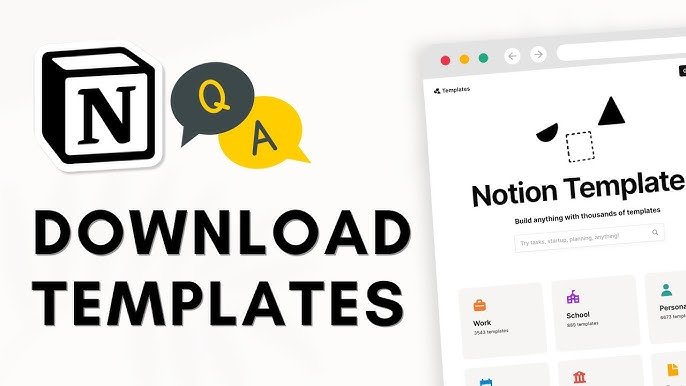
1. Notion Templates
Notion is a widely used project management tool, and many people who adopt it struggle to use it effectively without guidance. This creates strong demand for pre-built templates that simplify the learning curve.
Why Notion Templates Are Valuable
Notion templates tend to be higher-value products compared to simple planners. While a basic planner might sell for five to seven dollars, a more complex Notion template can sell for thirty to forty dollars. At that price point, even a single sale per day adds up quickly, and multiplying that across ten or more sales a day creates meaningful passive income after marketplace fees.
How to Research Demand
Before creating a Notion template, research what’s already selling well. Tools like Etsy-focused research extensions can show sales data, growth rates, and the tags successful listings are using. This kind of research reveals patterns, such as certain niche templates (like ADHD-focused planners or student planners) performing especially well, which can inspire a more specific and combined product idea, such as a student planner designed for ADHD users.
Checking search volume for relevant terms also helps confirm whether people are actively looking for that type of template before you invest time building it.
Getting Started With Notion Templates
Creating a Notion template doesn’t require advanced skill, just time and willingness to learn. Free tutorials can teach the basics, and AI tools can now assist in building templates more efficiently, including ones that connect directly with a Notion account.
2. Canva Templates
Canva templates are another strong opportunity, particularly because so many people already use Canva and can access shared templates without needing design software of their own.
Event and Invitation Templates
A major niche within Canva templates is event planning, especially bridal parties and baby showers. Buyers are drawn to preset invitations, table settings, and party games they can personalize with their own details and download immediately. The appeal is convenience: people want something that’s mostly finished and only needs their personal information added.
Social Media Templates
Businesses and brands are increasingly trying to establish a presence on social platforms but often don’t know where to start. Curated carousel-style post templates, where buyers simply add their own images, fonts, and logos, are performing extremely well on Etsy. This niche can be built into an entire shop, tailored to specific professions or industries such as real estate, lifestyle branding, contracting, or hairstyling.
Website Templates
For sellers with more design experience, branded website templates are another growing opportunity. These templates are typically downloaded and imported into website builders, giving buyers a professional design they can customize without building a site from scratch. Demand for this type of product has been increasing steadily.
Researching Canva Template Ideas
As with Notion templates, the key is researching what’s already selling, identifying gaps or underserved niches, and combining a proven product type with a specific theme or audience rather than guessing at what might sell.
3. Ebooks
Ebooks are a highly flexible digital product because they can be created around virtually any topic where people are willing to pay for knowledge. Skill-based topics tend to perform particularly well, since buyers are looking to learn how to do something more effectively.
Choosing an Ebook Topic
Nearly any topic can become a successful ebook, from social media growth strategies to gardening, cooking, homeschooling, or breaking into a specific career. The most important factor isn’t the subject itself, but whether there’s genuine demand and whether the content delivers real value.
Creating and Selling Ebooks
Ebooks can be created using tools like Canva or word processing software, with AI tools assisting in the writing process, then exported as a downloadable PDF. While ebooks can be listed directly on Etsy, they also perform well when sold through a standalone landing page or platform and promoted through free traffic sources like Pinterest, Instagram, or TikTok, since products can’t be listed for sale directly on Pinterest.
Validating Demand Before You Build
Before creating an ebook, search for similar products or checking whether people in a given niche are already selling something comparable. If competitors are actively selling a similar ebook, it’s a strong signal that real demand exists.
4. Workbooks and E-Guides
Workbooks and e-guides follow a similar model to ebooks but often include more interactive or personalized elements, such as journaling prompts or sections buyers fill in themselves. The more personalized or interactive a product is, the more value it typically holds, allowing sellers to charge more for it. As with ebooks, these products can be promoted through Pinterest and other social platforms as a free marketing channel.
5. Courses and Mentorships
Courses and mentorships represent the most intricate digital product category, but they also tend to be the most profitable due to higher price points and the ability to build a loyal community or personal brand around them.
What It Takes to Create a Course
Creating a course doesn’t require expert-level skill. What’s needed is the ability to record instructional content, basic editing software (even a free option), and a clear structure for teaching a specific skill. Real examples include a homeschooling course structured across seven modules and sold for around $100, and a course teaching specialized hair coloring techniques, both marketed primarily through email lists, Pinterest, and social platforms at no advertising cost.
Why Courses Can Be So Profitable
Because courses allow for higher pricing, even modest sales volume can generate significant income. Selling just three $100 courses a week adds up to an extra $300 weekly, and that number scales quickly with more sales or the addition of one-on-one mentorship offerings priced even higher. Courses and mentorships can be sold through dedicated platforms like Kajabi or community-based platforms, giving sellers full control over pricing and structure.
Choosing Between Low-Ticket and High-Ticket Products
Low-ticket digital products, such as simple planners, mockup photos, or basic graphic assets, can still generate income, but they typically require high volume to be worthwhile, often meaning dozens of listings to reach meaningful revenue. Higher-value products like Notion templates, courses, and website templates require more upfront time and effort but can generate significantly more income per sale, making them a better use of time for sellers willing to invest in building something more intricate.
Conclusion
Success with digital products to sell on Etsy comes down to research, value, and pricing strategy rather than simply picking a trending product type. Notion templates, Canva templates, ebooks, workbooks, and courses each offer a path to sustainable passive income, but only when built around genuine buyer demand. Taking the time to validate an idea before creating it is what separates sellers who build a real income stream from those who waste time listing products no one is searching for.
Key Takeaways
Etsy’s built-in buyer traffic makes it a strong, beginner-friendly platform for selling digital products.
Low-ticket items like basic planners can sell but rarely produce sustainable income compared to higher-value products.
Notion templates, Canva templates, ebooks, workbooks, and courses each serve different price points and skill levels.
Researching demand before creating a product, including search volume and competitor performance, is essential to avoid wasted effort.
Higher-value products like courses and website templates require more time to create but offer significantly higher earning potential per sale.
Ebooks and workbooks can be sold on Etsy or through standalone platforms and promoted for free through Pinterest and social media.
Combining a proven product type with a specific, underserved niche is a reliable way to stand out in a competitive market.
Frequently Asked Questions
What are the most profitable digital products to sell on Etsy?
Higher-value products like Notion templates, website templates, and courses tend to be the most profitable, since they can be priced significantly higher than simple planners or basic graphic assets.
Do I need design experience to sell digital products on Etsy?
No. Many digital products, including Notion templates, ebooks, and Canva templates, can be created using free or beginner-friendly tools, along with AI assistance and available tutorials.
How do I know if a digital product idea will actually sell?
Research existing listings for search volume, sales data, and growth trends before creating a product. If similar products are already selling well, that’s a strong indicator of real demand.
Can I sell ebooks and courses directly on Etsy?
Ebooks and workbooks can be listed directly on Etsy, while more complex products like full courses or mentorships often work better on dedicated platforms designed for hosting and selling structured content.
Plenty of people spend months searching for ways to make money online without experience in 2026, only to keep putting off the first step. The truth is, the only real difference between someone earning online and someone still stuck researching is action. With today’s tools, resources, and AI-powered platforms, you no longer need a large following, a big budget, or years of expertise to get started. This guide breaks down five accessible, beginner-friendly ways to make money online in 2026, along with the pros, the realities, and who each option is best suited for.
1. Print on Demand
Print on demand is one of the most beginner-friendly ways to start an online business, requiring very little money upfront, no social media following, and minimal prior skill, especially with today’s AI tools and resources.
How Print on Demand Works
Print on demand allows you to run your own e-commerce business selling custom products without manufacturing or storing anything yourself. Here’s how the process works:
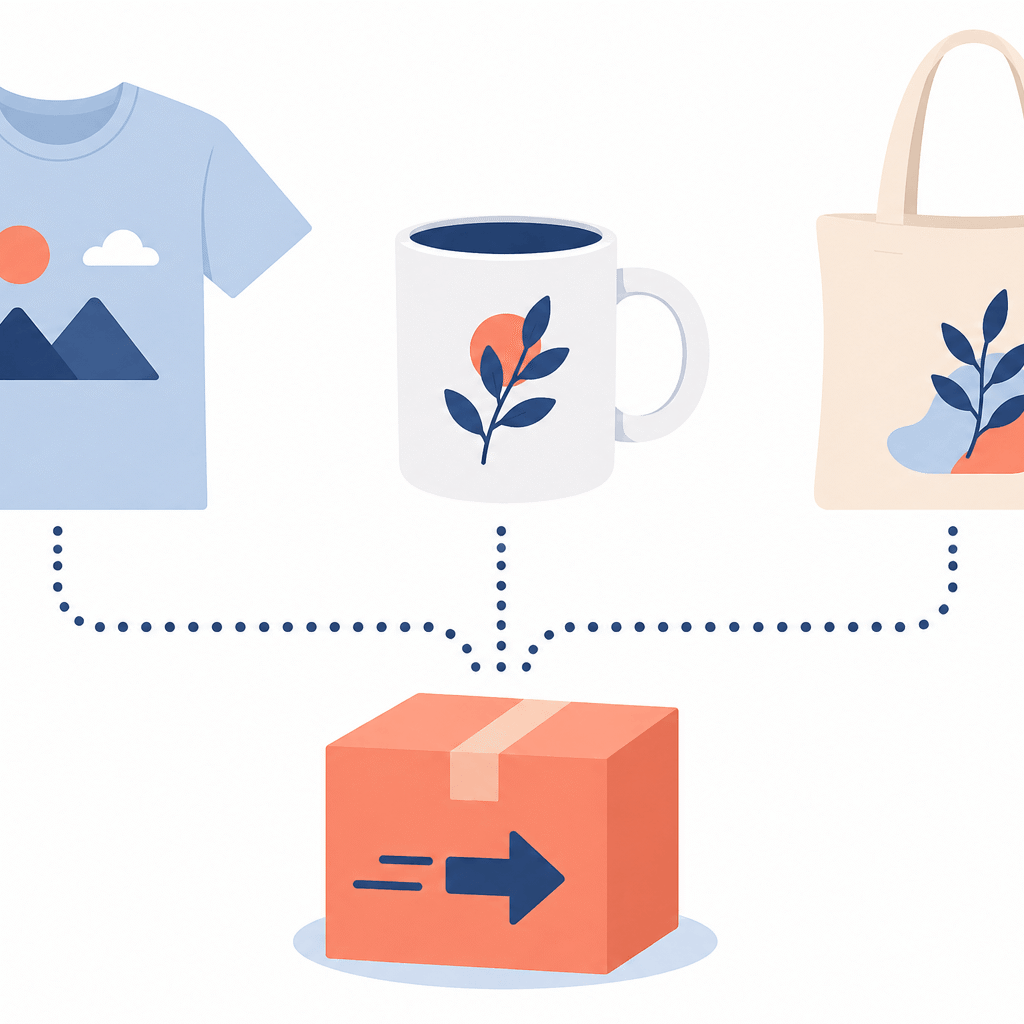
Partner with a print-on-demand supplier. These suppliers offer thousands of white-label blank products, including t-shirts, tote bags, mugs, and sweatshirts.
Create an online store. Build the storefront where your products will be listed.
Link your supplier to your store. This connects your designs directly to the products they’ll be printed on.
Design and upload your products. Create custom designs and sync them to your store.
Fulfillment happens automatically. When a customer places an order, the supplier prints, packs, and ships the product directly to them.
This means a print-on-demand business can be run entirely from anywhere with an internet connection.
Why Print on Demand Is Worth Considering
The biggest advantage of print on demand is location freedom combined with low financial risk. Businesses that require holding physical inventory, such as a clothing line or a mug business made in-house, require buying stock upfront with no guarantee it will sell. That risk is real: attempting a similar model with handmade gift boxes led to high startup costs, thin profit margins, and a time-consuming process that wasn’t sustainable long term. Switching to print on demand solved that problem by removing the need to physically touch or store a single product.
Print-on-demand products can be listed and sold across multiple platforms, including your own store, Etsy, Amazon, and TikTok Shop. This model is especially well suited for people who enjoy design work or have always wanted to run their own clothing, accessory, or sticker store, particularly those familiar with tools like Canva or similar design platforms.
Best for: Creative beginners who want a scalable, low-risk way to sell physical products without holding inventory.
2. Digital Products
Digital products are one of the most talked-about ways to make money online, yet only a small percentage of people who learn about them actually follow through and start selling. Low-ticket, low-effort products, like a generic two-dollar planner, rarely generate meaningful long-term income. The digital products that succeed are the ones that provide real value and solve a specific problem for a defined audience.
Types of Digital Products That Sell
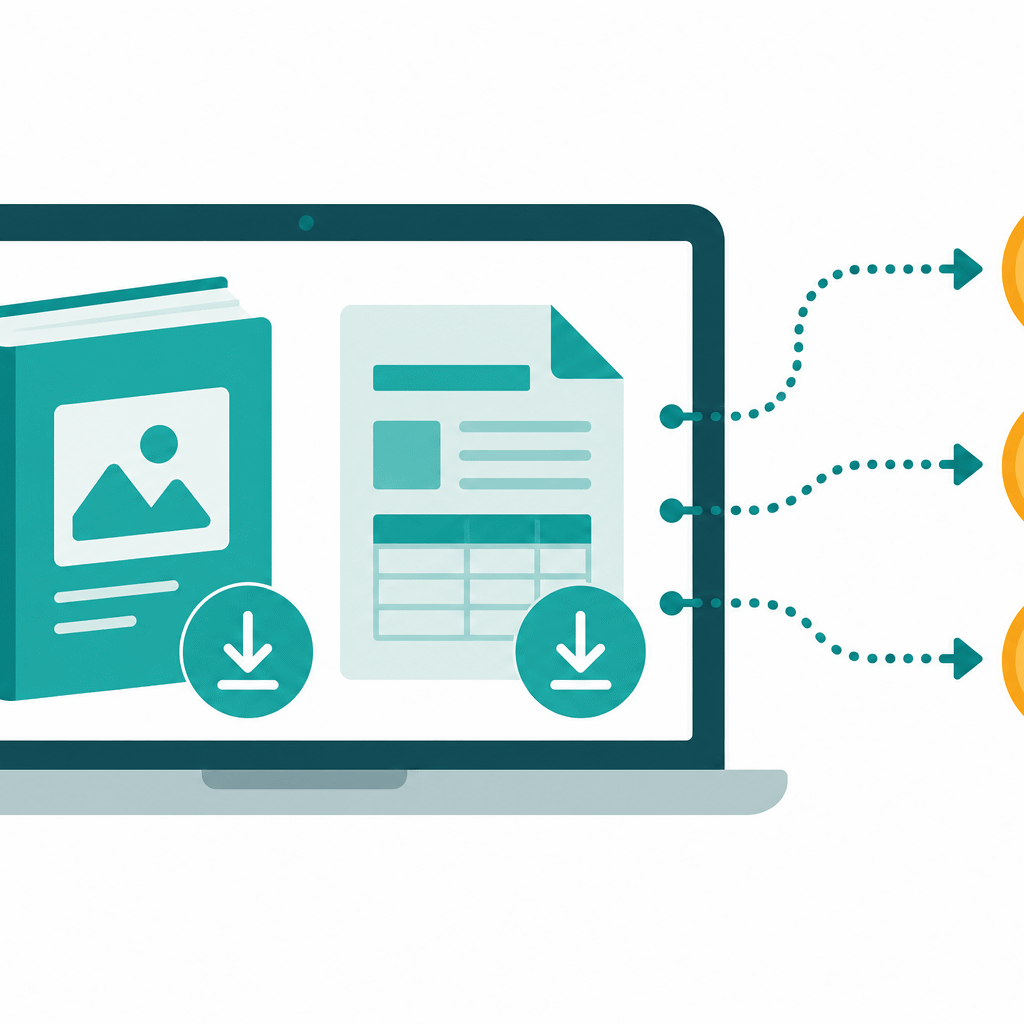
Ebooks and eguides
Templates people can customize for their own use
Planners and organizational tools like notion templates
Courses or webinars that teach a specific skill
How to Succeed With Digital Products
The key isn’t being an expert in a given field — it’s niching down into a specific audience that’s already buying and solving their problem, ideally in a unique way. AI tools can now help create templates, planners, and design assets efficiently, even without deep subject-matter expertise. Selling on established marketplaces like Etsy or Gumroad also gives you access to buyers who are already searching for solutions, reducing the need to spend heavily on advertising.
The core appeal of digital products is that they’re created once and can be sold indefinitely. A product that takes one or two days to build and is priced around $20 can generate ongoing passive income with each additional sale, since no extra production work is required after the initial creation.
Best for: People who want to package existing knowledge or skills into a reusable product that generates passive income over time.
3. Affiliate Marketing
Affiliate marketing has existed for years, but it’s evolved significantly through social platforms. It’s now possible to earn commissions by promoting products through posts, without needing a large following or even showing your face.
How Affiliate Marketing Works
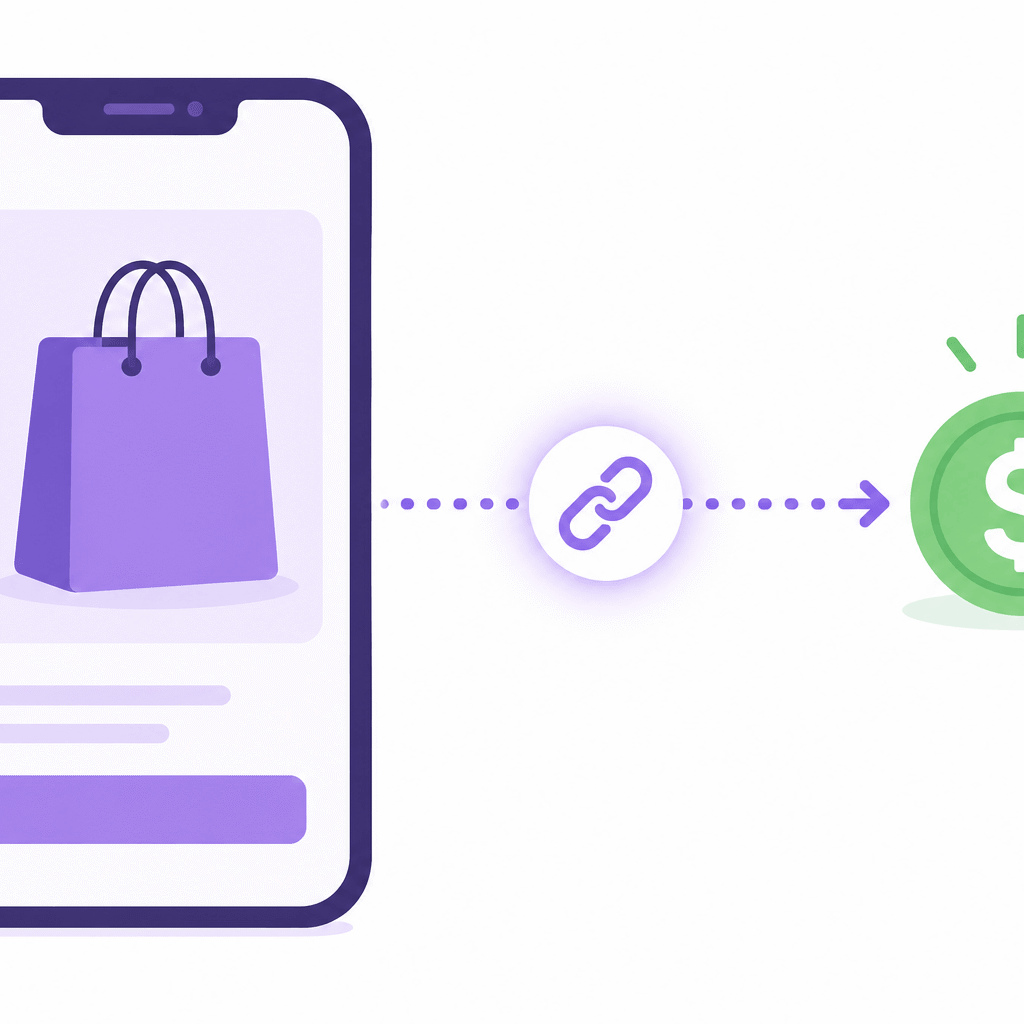
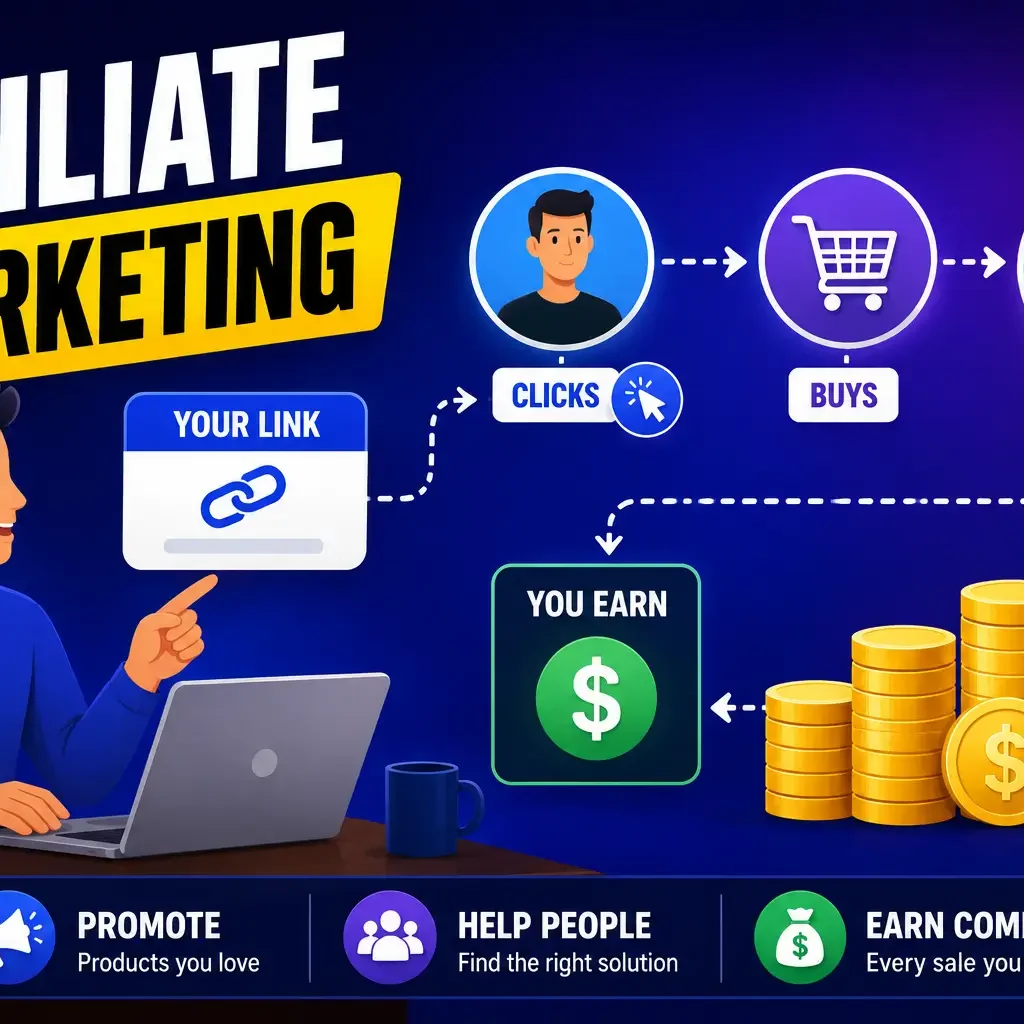
You partner with a company or retailer’s affiliate program and receive a custom link to share. Whenever someone makes a purchase through that link, you earn a commission. This applies to posts that link to storefronts on platforms like Amazon, where creators often prompt their audience with phrases like “comment for a link” or “link in bio to shop.”
To get started, you typically join a retailer’s affiliate program, such as Amazon’s, which usually requires approval but does not always demand a large following. Once accepted, you can create custom links for products relevant to your niche, whether that’s home decor, cooking, fashion, or another category entirely.
Platform-Specific Opportunities
Some social platforms also run their own affiliate or shop programs, allowing users to tag products directly within their posts and earn a commission when purchases are made through those tags. These programs often require a minimum follower count to join, but can be highly lucrative once accepted, particularly for creators who post consistently and build engagement over time.
Consistency is the most important factor for success with affiliate marketing. Since posting is free, it takes time to build momentum, but a smaller, engaged following can still generate meaningful commission income.
Best for: People comfortable posting on social platforms who want to earn passive commissions without creating their own products.
4. Freelancing and Virtual Assistant Work
Freelancing and virtual assistant work are strong options for people who have a specific skill they’d like to offer while working behind the scenes. This path is especially popular for designers, copywriters, and anyone skilled and efficient at tasks that businesses want to outsource.
Where to Find Freelance Work
Freelance marketplaces connect business owners with people offering specific skills and rates. Common services in demand include:
Graphic design and logo creation
Social media management and content scheduling
Web design and landing page creation
Business branding and mockups
Copywriting and email writing
Even newer sellers on these platforms can gain visibility and land clients relatively quickly, since many freelance marketplaces actively promote new profiles to potential buyers.
Learning a Skill From Scratch
If you don’t already have a marketable skill, free online tutorials make it possible to learn nearly anything, from graphic design to content creation to building an online business from the ground up. Freelancing tends to be more time-consuming and less passive than other models on this list, but it offers a clear path to building a portfolio, gaining consistent clients, and eventually scaling your rates as your reputation grows.
Best for: People with an existing skill, or the willingness to learn one, who want to start earning relatively quickly through direct client work.
5. Monetizing Long-Form Content
Building an audience on a long-form content platform is one of the most rewarding, if demanding, ways to make money online. Every established creator started with zero audience and had to build their following through consistent content. What sets long-form platforms apart from many others is that they pay creators directly through advertising revenue once a channel becomes monetized, in addition to potential brand partnerships and product sales.
How Monetization Works
Monetization eligibility is typically based on watch time rather than subscriber count, meaning consistent, engaging content can lead to monetization faster than expected. It’s also possible to grow an audience with minimal equipment. Early content can be filmed on a smartphone without professional audio equipment and still perform well, since audience growth depends more on whether the content provides real value than on production quality.
What It Takes to Succeed
Teaching a skill or sharing knowledge tends to resonate strongly with audiences, since people are naturally drawn to learning from others’ experiences. Free editing tools make it possible to produce content without investing in expensive software, and channels can grow substantially before ever hiring outside help for editing or production. Authenticity tends to perform better than a polished, overly produced approach, and consistency over time matters more than perfection from the start.
Best for: People willing to commit to consistent, long-term content creation in exchange for a scalable, multi-stream income potential.
Conclusion
There’s no single best way to make money online without experience in 2026 — the right path depends on your available time, creativity, comfort with visibility, and how quickly you want to see results. Print on demand and digital products offer more passive, product-based income with lower risk, while affiliate marketing, freelancing, and long-form content creation reward consistency and audience building over time. The most important factor across all five options is simply taking action, since research and planning alone won’t generate income on their own.
Key Takeaways
Print on demand lets you sell custom products with no inventory risk, since suppliers handle production and shipping.
Digital products succeed when they solve a specific problem for a defined audience, not when they’re low-effort or generic.
Affiliate marketing can generate commissions even without a large following, as long as content is posted consistently.
Freelancing and virtual assistant work offer a faster path to income for people with a specific, marketable skill.
Monetizing long-form content is based on watch time, not follower count, and rewards consistency and authenticity over production quality.
Multiple of these models can be combined to diversify income and reduce reliance on any single platform.
Taking action, even when you feel underqualified, is the biggest differentiator between people who succeed online and those who don’t.
Frequently Asked Questions
Which of these methods is best for someone with zero experience?
Print on demand is often considered the most beginner-friendly option, since it requires minimal upfront investment, no following, and limited prior skill, especially with the design tools and resources available today.
Do you need a large following to make money with affiliate marketing?
No. Affiliate marketing can generate meaningful commissions even with a smaller, engaged audience, as long as content is posted consistently and links are relevant to what the audience is interested in.
How much money can you make from digital products?
Digital products are created once and can be sold repeatedly, so even a modest price point can generate ongoing passive income as sales accumulate over time, particularly for products that solve a specific problem well.
Is freelancing a passive way to make money online?
No, freelancing and virtual assistant work are generally more active and time-consuming than models like print on demand or digital products, though they can offer faster, more predictable income for people with an in-demand skill.
If you want to make money online in 2026, you don’t need to gamble on dropshipping or day trading to build real income. After building a six-figure online business, testing countless business models, and helping coaches, experts, and everyday people monetize what they already know, one thing has become clear: not all income streams are created equal. This guide breaks down ten of the most effective ways How To Make Money Online For Beginners in 2026 using your existing knowledge, skills, and expertise. For each one, you’ll find what it is, its pros and cons, and who it’s actually a good fit for, so you can choose the path that matches your goals, skills, and lifestyle.
1. Digital Products
Digital products remain one of the smartest ways to make money online in 2026 because you build them once and can sell them again and again. A growing number of tools now make it easy to create digital products and just as many platforms exist to help you sell them on autopilot.
One standout tool for building and selling courses, ebooks, digital downloads, and membership sites is Kajabi, an all-in-one platform designed to help people monetize their skills, knowledge, and expertise through coaching or digital products.
The biggest shift in selling digital products in 2026 is that people no longer want vague, generic information. With instant AI answers now widely available, buyers expect a specific, guided outcome rather than a broad overview. If you want people to take action and move quickly from where they are now to where they want to be, your offer needs to be specific. Instead of promising something broad like “how to start a business,” a more compelling angle is “how to land your first $1,000 client in 30 days.” Specificity is what sells digital products today.
Best for: People who already have a documented process, framework, or skill they can package into a focused, outcome-driven product.
2. Affiliate Marketing
Affiliate marketing is when a brand gives you a unique link to share, and you earn a commission whenever someone purchases through that link. It still works well in 2026, but a lazy, unstrategic approach does not. Constant algorithm changes across search and social platforms mean affiliate marketers need a real content strategy behind their links.
The affiliates earning the most in 2026 are the ones who genuinely use and believe in the products they promote. That authenticity makes selling far easier and functions like paid word-of-mouth. You don’t need a massive audience to succeed with affiliate marketing — you need trust, which can be built through a blog, a podcast, or consistent content on social platforms.
Recurring affiliate programs, where you earn a percentage every month a customer stays subscribed, can be especially powerful. Passive income from affiliate commissions can add up to tens of thousands of dollars a year once you have a base of referred customers paying monthly, and older content can continue generating leads and sales long after it was first published.
Best for: People building an audience who want a low-effort, long-term passive income stream tied to products they already use and trust.
3. Online Coaching or Consulting
If you have a skill, experience, or transformation you’ve already gone through, you can sell that knowledge directly through coaching or consulting. This can span business coaching, travel consulting, social media strategy, fitness, wellness, spirituality, or relationship coaching. A useful way to find your niche is to think about three broad categories — health, wealth, and relationships — and narrow in from there.
Coaching and consulting is one of the fastest ways to make money online because you’re essentially selling your own expertise rather than building a complex system or funnel first. The hardest part isn’t the tech — it’s developing a skill valuable enough that people are willing to pay for it. Once you have that, coaching and consulting can be packaged and sold almost immediately, often for a higher ticket price ranging from thousands to hundreds of thousands of dollars depending on the value delivered.
This model is active rather than passive income, meaning you trade time for a higher return, but it also allows you to work fewer hours while charging more per client.
Best for: Experts who want to start earning quickly without building extensive systems or sales funnels first.
4. Content Creation With a Monetization Plan
Content on its own rarely pays well directly. To make money as a content creator, you need a long-term monetization strategy that drives your audience toward affiliate links, brand partnerships, your own products, or paid communities. Long-form content can also be repurposed into multiple shorter pieces across different platforms, extending its reach and value. Tools that automatically break long-form content into short clips can make this repurposing process much faster.
As your audience grows, more monetization opportunities open up, including advertising, affiliate partnerships, product sales, and brand deals. But content creation by itself is not a business model — it’s a distribution channel that needs a monetization strategy attached to it.
Best for: People who enjoy creating content regularly and are willing to build a distribution-to-offer pipeline over time.
5. Sponsorships and Brand Deals
Sponsorships and brand deals happen when companies pay you to promote their products or services to your audience, whether through written content, podcasts, newsletters, social posts, or live events. A common myth is that you need hundreds of thousands of followers before brands will work with you. In reality, a smaller, highly engaged audience that trusts you is often more valuable to a brand than a massive but disengaged one, because brands care about reaching the right people, not just the most people.
If you serve a specific niche and have built credibility, sponsorship opportunities can come far sooner than expected. The key is only promoting products that genuinely align with your audience and that you’d recommend regardless of payment, since trust takes years to build and only seconds to lose.
Best for: Niche creators with an engaged, trusting audience, even a relatively small one.
6. Newsletter Business
A newsletter — a consistent email list you send valuable content to — has become one of the most underrated ways to make money online in 2026. Some people monetize newsletters through sponsorships, others through affiliate recommendations, and many offer paid subscriptions or exclusive content for subscribers.
What makes a newsletter especially powerful is that you own the relationship with your audience directly. Social platform algorithms change constantly and without warning, but no one can take away your email list. As AI makes generic content easier to produce, trust and direct relationships become even more valuable. The most successful newsletter builders aren’t necessarily the ones with the biggest lists — they’re the ones who consistently deliver value and build strong relationships with readers.
To monetize a newsletter, you can charge a recurring subscription fee for access, or keep it free and sell products or services to your subscribers once they’ve joined.
Best for: Anyone already creating content who wants to own their audience relationship outside of social platforms.
7. Freelancing
Freelancing differs from coaching or consulting in that it’s centered on one specific, in-demand skill you perform on behalf of clients, rather than teaching a transformation. High-demand freelance skills include editing, production for audio and visual content, sales funnel building, and email marketing.
As online content creation has boomed, many creators either lack the time or the desire to learn skills like editing, opening the door for freelancers to offer that service directly. Businesses will always pay for services that save them time or make them money, which is why skill-based freelancing isn’t going away. These are skills that can typically be learned through practice or a dedicated course, making freelancing one of the more accessible entry points to make money online.
Best for: People who want to build a specific, learnable skill and start earning relatively quickly by serving other businesses or creators.
8. Memberships and Paid Communities
If people keep asking you the same questions repeatedly, that’s often a sign a membership or paid community could work well for you. These offer ongoing access, accountability, and support, and members are often willing to pay monthly for consistent value and connection.
Memberships work particularly well when paired with another product or service, since they give customers accountability and continued support after their initial purchase. Pairing a course with a community, for example, lets members learn and grow together rather than navigating a new skill alone. This is especially valuable for entrepreneurs, who often build their businesses without a built-in support network. A like-minded community adds ongoing value beyond the initial transformation a product or program delivers.
Best for: Businesses that already have a product or service and want to add recurring revenue plus stronger customer retention.
9. Print on Demand
Print on demand is a business model where you create custom designs for products like t-shirts, hoodies, mugs, and posters, and a third-party company only produces each item once an order is placed. This applies to physical goods like books as well as branded merchandise tied to a coaching or content business. You don’t need to buy inventory upfront, store products, or handle shipping — a print-on-demand partner manages production and fulfillment for you.
The biggest appeal is low risk and easy setup: you can upload designs, connect them to an online store, and generate sales without ever touching a physical product. However, the biggest challenge is that profit margins are typically thinner than expected due to heavy competition. Successful print-on-demand businesses usually have a clear niche and an audience that already knows, likes, and trusts the brand behind the designs.
Best for: Existing brands or audiences looking to add a low-risk, supplementary revenue stream — not usually a strong choice as a sole business model.
10. Licensing Your Intellectual Property
Most people assume the only way to make money from their knowledge is to sell it directly to customers through a course or coaching program. Licensing your intellectual property (IP) is an often-overlooked alternative, where you allow other individuals or organizations to use your content, systems, frameworks, certifications, templates, or training materials in exchange for a licensing fee.
Instead of selling your knowledge one customer at a time, you let others use it within their own businesses. This can look like licensing a curriculum to schools, allowing other coaches to teach your framework, building a certification program, or granting businesses permission to use your training materials with their employees — a strong fit for leadership consultants working with larger organizations.
Licensing isn’t usually the easiest model to start with, since it requires a proven process that reliably delivers results, something that can take years to develop. But once that system exists, licensing can create meaningful revenue without requiring you to personally deliver training every time.
Best for: Established experts and consultants with a proven, well-tested framework or curriculum.
Why Stacking Income Streams Creates Real Stability
Most people making serious money online aren’t relying on just one of these methods — they’re stacking two, three, or even four income streams together: content, affiliate links, digital products, courses, and coaching or services combined. This is what creates real stability and flexibility, allowing you to adjust your focus depending on your season of life. During lower-capacity periods, you can lean more on automated, passive income streams and less on active, on-demand coaching or consulting.
This kind of system means income can keep coming in even during time away from work, generated through a mix of product sales, affiliate payouts, and coaching calls booked in advance. The key is building a system where potential customers can discover you, join your email list, learn about your offers, and decide if they’re a fit — largely before you ever speak with them directly.
How to Get Started in 2026
If you’re starting from scratch, the recommended approach is to focus on one income-producing skill, use one solid platform, and create one clear offer. Simplicity is what sells. Trying to build a course, an affiliate program, and a coaching offer all at once tends to lead to overwhelm and weaker results across the board. Coaching or consulting is often the easiest starting point, since it requires the least setup. Once that’s working well, you can expand into additional income streams like a course or membership in the following year.
Conclusion
There’s no single “best” way to make money online in 2026 — the right model depends on your skills, the time you have available, and how quickly you want to see results. Digital products and licensing favor those with an established system, coaching and freelancing reward people who want to start earning quickly, and content, newsletters, and sponsorships build long-term, audience-driven income. The most sustainable path usually starts with mastering one model and gradually stacking additional income streams as your knowledge-based business grows.
Key Takeaways
Digital products work best when they promise a specific, fast outcome rather than vague information.
Affiliate marketing rewards authenticity and recurring commission programs over one-off promotions.
Coaching and consulting is one of the fastest ways to generate active income without building complex systems.
Content creation only pays when it’s paired with a clear monetization strategy.
Sponsorships favor trust and niche relevance over sheer audience size.
Newsletters let you own your audience relationship independent of social platform algorithms.
Freelancing turns a single in-demand skill into fast, sellable income.
Memberships and paid communities add recurring revenue and stronger retention to an existing offer.
Print on demand works best as a supplementary income stream, not a standalone business.
Licensing intellectual property allows experts to earn from a proven system without delivering it personally every time.
Stacking multiple income streams creates more stability and flexibility than relying on one alone.
Frequently Asked Questions
What is the easiest way to make money online in 2026?
Coaching or consulting is often considered the easiest starting point because it requires selling your existing knowledge and expertise directly, without building complex funnels, digital products, or technical systems first.
How much can you realistically earn from affiliate marketing?
Earnings vary widely, but recurring affiliate programs — where you earn a percentage every month a referred customer stays subscribed — can generate a steady, growing passive income over time as your referred customer base builds up
Do you need a large audience to make money online?
No. A smaller, highly engaged audience that trusts you is often more valuable for sponsorships, affiliate marketing, and product sales than a large audience with little engagement or trust.
Is print on demand a good primary business model?
It can work as a business, but it typically performs best as a supplementary income stream added to an existing audience or brand, since profit margins are often thinner than expected due to strong competition.
How many income streams should you build at once?
It’s usually best to focus on one income-producing skill and one solid offer first. Once that’s working consistently, you can layer in additional income streams like a course, membership, or affiliate program.
Many people start exploring Pinterest Money Making after hearing claims that earning online is fast and effortless. It is common to see promises of making hundreds of dollars within days simply by posting pins. However, the reality is very different. Pinterest itself does not pay creators or provide a direct monetization system. Instead, it works as a visual search engine where people search for products, ideas, fashion, home decor, food, and many other topics. This means success depends on how effectively you use the platform to drive traffic toward products, services, or businesses. If your expectation is instant income, this guide will help you understand what actually works and how long real results usually take.
What Is Pinterest?
Pinterest is a visual search engine rather than a social media platform designed for direct earnings. Users search for ideas, products, inspiration, and solutions, and the platform displays images and videos known as Pins.
Unlike many platforms, Pinterest does not offer an earning dashboard or creator payments. The opportunity comes from directing its highly targeted audience toward another destination where a purchase or conversion can happen.
The biggest advantage is that many Pinterest users already have buying intent. They search because they are interested in finding or purchasing something, making the traffic more valuable than casual browsing.
Pinterest Money Making: Three Methods That Actually Work
Several earning methods exist, but three practical approaches stand out because they can generate long-term results when used consistently.
Method 1: Affiliate Marketing
Affiliate marketing is one of the simplest ways to start because it requires very little financial investment.
The process begins by creating a Pinterest account and selecting a specific niche. Fashion-focused content is presented as a strong category for beginners. Product images or videos can be converted into attractive Pins, with video Pins generally receiving better reach.
Instead of promoting affiliate links in every Pin, it is safer to limit promotional links to avoid account issues. Posting one to five quality Pins daily creates consistency while keeping the account active.
Step 1: Choose a niche.
Step 2: Create attractive photo or video Pins.
Step 3: Publish one to five Pins daily.
Step 4: Add affiliate links only to selected Pins.
Step 5: Continue consistently for several months.
The most important lesson is patience. Earnings are possible, but expecting results within days is unrealistic. A reasonable expectation is two to six months before seeing meaningful conversions.
Although Pinterest users often search with buying intent, success still depends on creating attractive Pins that encourage people to click.
Method 2: Selling Digital Products
Digital products provide another effective earning opportunity because there is no commission paid to another company after the product is created.
A digital product only needs to be created once and can then be sold repeatedly.
Examples mentioned include diet plans, workout plans, PDF resources, and Notion templates.
Artificial intelligence tools can help organize information and prepare digital files, making product creation easier. After creating the product, the next step is promoting it through Pinterest Pins that direct users toward the purchase page.
Step 1: Create a useful digital product.
Step 2: Design engaging Pins.
Step 3: Link Pins to the product page.
Step 4: Continue publishing consistently.
Step 5: Wait patiently for sales.
This method also requires realistic expectations. The first sale may take one to three months, while stronger and more consistent results often require six months of consistent effort.
The advantage is that once the product begins selling, it can continue generating income repeatedly without being recreated.
Method 3: Driving Traffic to an E-commerce Store
For people running an online store, Pinterest can become an effective traffic source.
Instead of depending entirely on paid advertisements, Pinterest allows businesses to attract visitors through organic Pins.
The process remains straightforward.
Create attractive images or videos related to your products, publish them consistently, optimize descriptions and tags, and direct visitors toward your online store.
Since Pinterest users frequently search with purchasing intent, visitors arriving from the platform are already interested in buying similar products.
Another advantage mentioned is promotional advertising support. After meeting certain requirements and spending on ads, Pinterest may provide advertising credits that can be used to bring additional traffic to the store.
How Long Does It Take to Earn?
One of the biggest misconceptions is expecting immediate income.
Affiliate marketing generally requires two to six months before producing noticeable results.
Digital products may generate the first sale within one to three months, while long-term success typically requires six months of consistency.
E-commerce stores also depend on regular publishing and continuous traffic generation rather than overnight success.
Anyone expecting income during the first week is likely to be disappointed.
Why Pinterest Traffic Is Valuable
Pinterest users usually search with a purpose.
Instead of casually scrolling, they often look for fashion, home decor, products, or other items they intend to purchase.
This buying intent makes Pinterest traffic valuable because visitors are already interested before reaching the final destination.
However, conversions still depend on creating attractive Pins that encourage users to click.
Reality Check Before You Start
Pinterest should never be viewed as a platform that pays creators directly.
It serves as a source of highly targeted traffic that can support affiliate marketing, digital products, or e-commerce businesses.
Consistent publishing, quality content, and patience are essential. Quick success is rare, and meaningful results usually come only after several months of dedicated effort.
Anyone willing to stay consistent and build quality Pins can eventually benefit from the buying intent of Pinterest users, but there are no shortcuts or guaranteed overnight earnings.
Key Takeaways
Pinterest is a visual search engine, not a direct earning platform.
Affiliate marketing requires consistency and realistic expectations.
Digital products can generate recurring income after creation.
Pinterest traffic often has strong buying intent.
Success usually takes several months rather than days.
Conclusion
Pinterest can become a valuable source of business traffic when used correctly. Instead of expecting instant income, focus on creating useful content, publishing consistently, and directing visitors toward products or services that genuinely solve their needs. The platform rewards patience, quality, and long-term effort rather than shortcuts.
FAQs
Does Pinterest pay users directly?
No. Pinterest does not provide direct creator payments or an earning dashboard.
2. What is the easiest Pinterest earning method for beginners?
Affiliate marketing is one of the simplest methods because it requires little financial investment.
3. How long does it take to make money from Pinterest?
Most methods require several months of consistent effort before producing meaningful results.
Can digital products be sold repeatedly?
Yes. Once created, digital products can continue being sold without being recreated.
Why is Pinterest traffic considered valuable?
Many users search with buying intent, making them more likely to convert into customers.
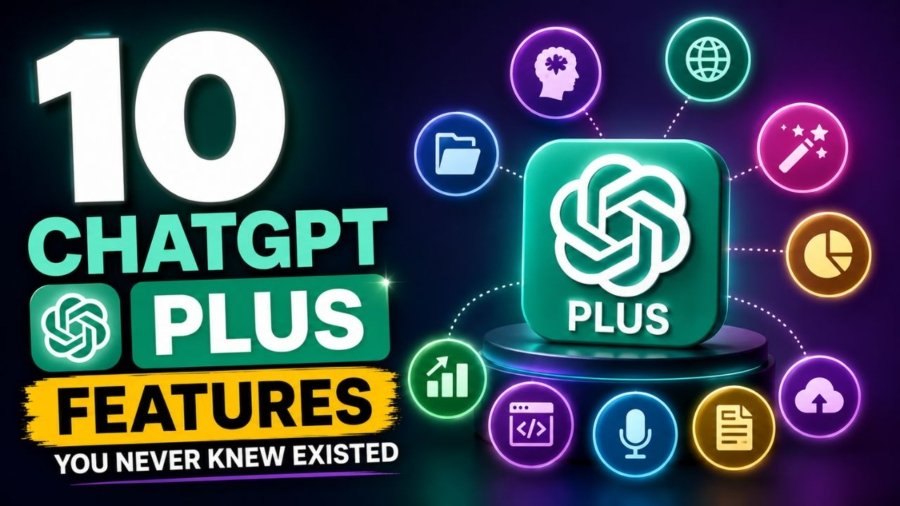
Paying twenty dollars a month and only typing a quick question before closing the tab is one of the most common mistakes ChatGPT subscribers make. Many people never explore beyond a simple chat window, while others quietly use the exact same subscription to finish hours of work in minutes. This guide breaks down ten powerful ChatGPT Plus features most people never touch, explained clearly so you can finally get real value from your subscription.
Feature 1: Multiple AI Models Working Behind the Scenes
Most confusion begins before anyone even types a prompt. Every time you open ChatGPT, you are actually choosing between several different underlying models, and that choice significantly affects the quality of your answer.
Earlier versions focused mainly on text generation, while newer versions can understand images, respond with voice, and reason carefully through complex problems before answering. Advanced versions now include a dedicated thinking mode built specifically for difficult, multi-step tasks that require deeper reasoning rather than an instant reply.
Feature 2: Choosing the Right Plan for Your Needs
The plan you choose directly determines which models you can access. Free plans usually offer smaller, faster models with strict daily limits, which works fine for simple questions but becomes limiting quickly for heavier tasks.
Paid plans unlock significantly more powerful models, including advanced reasoning versions capable of handling complicated coding issues, negotiation strategies, or detailed planning problems. Manually switching into a stronger reasoning mode for important tasks, instead of leaving everything on automatic settings, often produces noticeably better results.
One of the most underused ChatGPT Plus features is live web browsing. Instead of relying only on information learned during training, the assistant can search for current information and provide up-to-date answers on demand.
This single feature changes how useful the tool becomes for anything time-sensitive, from recent news to fast-changing topics that require fresh information rather than outdated training data.
Feature 4: The Custom GPT Store
Beyond browsing, there is an entire marketplace filled with specialized assistants built by other users. These include tools designed specifically for search optimization, legal research, fitness coaching, and technical development work.
Spending just a few minutes exploring this marketplace and saving two or three genuinely relevant tools can meaningfully improve daily workflow, yet most users never open this section at all.
Feature 5: The Full Browser Experience
A more advanced browsing experience takes things a step further by remembering everything viewed during a session, not just a single page. This allows requests like summarizing multiple articles read earlier the same day, turning scattered research into a single organized summary automatically.
Feature 6: Advanced Data Analysis for Real Work
For anyone working with spreadsheets, reports, or messy datasets, advanced data analysis is one of the most valuable tools available. Files such as spreadsheets, PDFs, or structured data can be uploaded directly, and the assistant processes them, generates charts, and summarizes key trends automatically.
This feature works equally well for cleaning up disorganized contact lists, extracting details from invoices, or preparing quick reports that would normally take significant manual effort.
Feature 7: Vision for Understanding Images
Vision allows you to share images directly, such as a photo of a menu, a screenshot of an error message, or a handwritten note, and receive a clear explanation or translation in return. This turns everyday visual problems into quick, guided solutions without needing to describe everything in words first.
Feature 8: Natural Voice Conversations
Voice mode adds an entirely different dimension, allowing natural spoken conversations that feel remarkably human. Many users find this especially useful during commutes or daily routines, using voice mode to brainstorm ideas or think out loud without typing a single word.
Feature 9: Memory and Custom Instructions
A common mistake is treating every conversation like a fresh search query with no context. Two features hidden inside account settings can dramatically change how personalized responses become over time.
Custom instructions allow you to describe your role, goals, and preferred tone once, so every future response reflects that context automatically. Memory goes even further, recalling relevant details from previous conversations so background information never needs repeating. Both settings remain fully reviewable and adjustable for privacy control at any time.
Feature 10: Canvas for Editing Long-Form Content
Long-form writing used to be frustrating, often requiring users to copy responses elsewhere just to make small edits. A dedicated editing panel now solves this problem directly within the conversation itself.
This feature allows highlighting specific sentences and requesting targeted changes, adjusting tone, shortening sections, or expanding details without regenerating an entire response. For technical users, a built-in review option even identifies coding issues and suggests improvements inline.
Getting Better Results Through Smarter Prompting
Even with access to all ten ChatGPT Plus features, results still depend heavily on how a request is phrased. Being highly specific, including exact word counts, tone, and structure, produces dramatically better results than vague requests. Assigning a clear role, such as asking the assistant to respond as an experienced professional, further improves relevance and depth. For complex requests, explicitly asking it to think through the problem step by step encourages far more accurate reasoning.
Is the Subscription Actually Worth It
For casual users asking occasional questions, a free plan remains perfectly reasonable. However, for anyone using these tools multiple times a week for real work, a paid subscription quickly pays for itself through expanded access, higher usage limits, and significantly stronger reasoning capabilities.
Being Honest About the Limitations
No AI tool is perfect. Responses can occasionally sound confident while still being incorrect, making fact-checking essential for anything important. Usage limits can still apply during high-traffic periods, and for sensitive writing or high-stakes decisions, human judgment should always remain part of the process.
Final Thoughts
Understanding all ten ChatGPT Plus features transforms a simple question-and-answer tool into a genuinely powerful assistant capable of writing, analyzing data, editing documents, understanding images, and holding natural voice conversations. Taking the time to explore these capabilities fully ensures every dollar spent on a subscription delivers real, measurable value.
Scroll through social media for five minutes and someone will promise you an easy way to get rich using artificial intelligence overnight. Most of these promises are hollow, designed only to sell you a course. The truth is far less flashy but far more useful. There are real ways to make money with AI, and they all require genuine effort, skill-building, and patience. This article breaks down seven practical paths that can realistically help you build income over time, starting small and growing steadily.
Why Most AI Money-Making Advice Fails
Before diving into the methods themselves, it helps to understand why so much advice online falls flat. Many creators promoting instant AI riches have never actually built anything sustainable themselves. Real opportunities to make money with AI exist, but they demand research, consistency, and a willingness to learn a genuine craft rather than chase shortcuts.
Step One: Become an AI-Powered Ghostwriter for Founders
One of the most accessible ways to start earning involves helping founders build their personal brand on platforms like LinkedIn. Founders understand that their own visibility often drives more sales than traditional marketing, and many are willing to pay for consistent, high-quality content.
The process begins with a short weekly call to understand a founder’s business, goals, and voice. That information gets fed into an AI tool to generate consistent, on-brand posts every month. Over time, this service can realistically earn several hundred dollars monthly per client, especially once results like engagement and reach become visible.
Step Two: Build an AI Influencer Around a Niche Topic
Another practical approach involves creating a virtual AI persona focused on a specific topic, such as home gardening, cooking, productivity, or personal finance. Short, simple videos featuring b-roll footage and on-screen text are currently performing extremely well across social platforms.
Because AI tools can generate multiple videos daily, it becomes possible to build a large content library within a single month. Monetization often comes through a simple digital product, such as an affordable guide or checklist linked in the account bio. Success depends heavily on consistency and how well the content resonates with a specific audience.
Step Three: Develop Voice Agents for Businesses
Countless businesses spend significant money on customer support, outbound sales calls, and repetitive administrative tasks. Voice agents built using AI can handle many of these functions efficiently, often at a fraction of traditional staffing costs.
These agents can answer customer questions, qualify leads before a sales call, or handle routine inquiries at scale without the limitations of a human team. Businesses that see real time and cost savings are often willing to pay well for this kind of automation.
Step Four: Coach Companies on AI Adoption
Beyond building tools, there is significant demand for teaching businesses how to actually use AI effectively. Corporate training and consulting around AI adoption has become a lucrative niche, with some experienced professionals charging substantial fees for single-day workshops.
This path typically combines technical knowledge with the ability to explain concepts clearly to non-technical teams. Building trust and a visible personal brand plays a major role in attracting these higher-paying opportunities.
Step Five: License Your Voice Through AI Platforms
Voice licensing platforms now allow individuals to upload their voice and earn passive income whenever that voice gets used to generate audio content elsewhere. This represents one of the more unusual but genuinely passive ways to make money with AI, requiring minimal ongoing effort once the initial setup is complete.
Step Six: Create AI-Generated UGC Ads for Brands
User-generated content style advertising has become increasingly popular because it feels more authentic than traditional polished ads. Normally, brands pay creators to physically receive products, film unboxing videos, and produce raw, relatable content.
AI tools now make it possible to generate similarly authentic-looking content without needing physical products, cameras, or creators. This opens an opportunity to offer affordable video ads to multiple brands simultaneously, scaling production far beyond what traditional methods allow.
Step Seven: Build Niche Advice Apps Powered by AI
A large percentage of everyday conversations with AI chatbots involve people seeking personal advice, whether about health, relationships, fitness, or learning new skills. This pattern reveals an opportunity to build focused applications around specific advice categories.
A health-focused app, for example, could combine meal planning, workout preparation, and calorie tracking into one AI-powered experience tailored to individual preferences. Building tools around these everyday needs can create meaningful, ongoing value for users willing to pay for convenience and personalization.
Turning These Methods Into Real Income
None of these seven paths offer instant results. Each requires research, testing, and consistent effort before meaningful income appears. However, every method described here focuses on genuinely useful outcomes rather than empty promises, making them realistic starting points for anyone serious about learning how to make money with AI in a sustainable way.
Success ultimately depends on choosing one method, committing to it fully, and refining the approach based on real feedback rather than jumping between ideas too quickly.
Frequently Asked Questions
Is it really possible to make money with AI without technical skills?
Yes, several methods like ghostwriting or AI influencer content require creativity and consistency more than deep technical expertise.
How long does it take to start earning?
Most methods take a few months of consistent effort before generating stable income, rather than producing instant results.
Which method has the highest earning potential?
AI coaching and consulting for companies often pays the most, with some professionals charging thousands of dollars per workshop.
Do I need expensive equipment to create AI content?
No, many AI tools allow you to generate videos, voices, and ads without cameras, studios, or physical products.
Can these methods work as a side income?
Yes, most can start as part-time efforts and scale into full income streams as results and client trust grow.
Picture two competing websites. One has a much stronger domain rating, more backlinks, and years of built-up authority. The other is noticeably weaker on paper. Logic says the stronger site should dominate everywhere, including inside AI tools like ChatGPT. Yet in a real test, the weaker website showed up confidently in AI answers, while the stronger one was completely invisible. This surprising result reveals something important about how modern AI search actually works, and it forms the foundation of an effective AI SEO strategythat most brands have not discovered yet.
Why Traditional Authority No Longer Guarantees AI Visibility
Search engines like Google have always ranked based on domain strength, backlinks, and technical trust signals. Artificial intelligence platforms work differently. Instead of simply ranking a single URL, AI systems build a consensus based on everything they can find across the internet.
This means a website with fewer backlinks can still outperform a much stronger competitor if its brand message is clearer and more consistently recognized across multiple sources.
Unlike traditional search, AI also remembers context within a conversation. Two people using the exact same prompt can receive completely different recommendations depending on details shared earlier in that conversation. This makes it essential for brands to be understood clearly, not just indexed correctly.
Step One: Define Your Brand Entity Clearly
Before implementing any advanced tactics, every brand needs to answer three simple questions. Who are you, who do you serve, and what specific problem do you solve.
If an AI system cannot confidently answer these questions about a brand, it simply will not recommend that brand, regardless of how much content exists online. This foundational clarity is the true starting point of any working AI SEO strategy.
Step Two: Build Narrative Consistency Across the Internet
The first real pillar of this approach is narrative consistency. This means a brand communicates the exact same message wherever it appears, whether that is a personal website, a news article, or a public discussion thread.
If a shoe brand sells running shoes for athletes, that exact positioning needs to appear the same way across every mention online. Artificial intelligence learns from patterns, and inconsistent messaging makes it extremely difficult for AI to form a clear picture of what a brand actually offers.
Without narrative consistency, even a highly active brand publishing content daily can remain completely unrecognized by AI systems.
Step Three: Strengthen Authority Density Through Earned Media
The second pillar is authority density. AI systems place significant trust in what other credible sources say about a brand, often far more than what a brand says about itself.
A large percentage of how AI understands a brand comes directly from earned media, including expert quotes, guest contributions, and independent publications. This means the effort behind a genuine AI SEO strategy cannot stop at a company’s own website.
Every quality backlink and every mention from a respected publication functions as a trust signal, directly shaping how confidently AI systems recommend that brand.
Step Four: Create Repetition Across Multiple Platforms
The third pillar is repetition. A single successful public relations campaign or one strong backlink from a major publication is rarely enough on its own. AI systems favor brands that consistently appear across different platforms and different conversations tied to the same core topic.
This works much like physical training. One intense workout does not build lasting strength. Consistent effort over time does. The same principle applies here, where ongoing visibility across trusted sources gradually builds the kind of recognition AI systems reward.
Step Five: Establish Strong Co-Occurrence With Key Terms
The final pillar is co-occurrence. This means a brand consistently appears alongside the exact keywords or problems it aims to solve. When AI repeatedly sees a brand mentioned together with specific terms, it begins associating that brand directly with those concepts.
For example, if a digital marketing company is regularly mentioned alongside terms like backlink building or authority building, AI systems begin linking that brand naturally to those topics. The goal is never simply generating backlinks. It is intentionally connecting a brand to the right context every single time.
Turning This Into a Working AI SEO Strategy
Individually, these four pillars might seem simple, but together they form a complete and highly effective AI SEO strategy. Clarity around brand identity, consistent messaging, credible external validation, sustained visibility, and strong topical association all work together to influence how confidently AI systems recommend a brand.
Execution matters just as much as understanding the concept. Brands that treat this as a one-time project rarely see lasting results. Brands that treat it as an ongoing system consistently earn stronger visibility across AI-driven platforms over time.
Why This Matters More Than Ever
As more consumers turn to AI tools for recommendations instead of traditional search engines, brands that fail to build genuine consensus risk becoming invisible, regardless of how strong their website metrics appear. A weaker domain with a clear, consistent, and well-supported message can outperform a stronger domain that lacks that clarity.
This shift represents a real opportunity for smaller or newer brands willing to invest in consistency and credibility rather than relying purely on traditional authority metrics.
Final Thoughts
The brands that win inside AI search results are rarely the ones with the biggest budgets or the strongest domain scores alone. They are the brands that clearly define who they are, consistently reinforce that identity across trusted sources, and intentionally connect themselves to the right topics again and again.
Building this kind of presence takes time, but the payoff is significant. A well-executed AI SEO strategy does not just improve visibility today. It builds a foundation of trust that continues to compound as AI-driven search becomes an even bigger part of how people discover brands.
If you had to rebuild your entire online presence today, would you post more or post less? After years of building audiences across multiple platforms, the answer is surprising. Doing less, not more, is exactly what works in 2026. The secret is not effort, it is a well-designed content flywheel system that turns a small amount of work into a large amount of visibility.
Why Most Content Strategies Are Already Broken
Most creators sit down every single day and ask a dangerous question. What should I post today? Monday brings a LinkedIn idea. Tuesday brings a TikTok trend. Wednesday brings an Instagram post pulled out of thin air.
Every piece gets written from scratch, in the moment, with no connection to anything before it. Nobody can sustain that pace for long.
The real mistake happens before the content is even created. People treat a single post as the core unit of strategy. In truth, the idea is the real unit. A post is simply one format that idea takes.
Once this mindset shifts, the pressure changes completely. Instead of chasing sixty new ideas a month, you only need four strong ones.
Building the Foundation Before You Ever Hit Record
Four good ideas only work if they all point toward the same message. If Monday talks about automation, Tuesday talks about productivity, and Wednesday drops a random opinion, no algorithm can understand who you are. Neither can your audience.
This is why authority positioning matters so much, and it is the exact step most creators skip entirely.
Your authority statement is one clear sentence describing who you help, what you help them achieve, and what makes your perspective different. This single sentence becomes a filter for every future idea. If new content does not support it, it gets cut immediately.
Step Two: Choose Your Content Pillars
Content pillars are three to five subtopics sitting underneath your authority statement. They act as buckets that every future piece of content must fit inside. Too few pillars and you run out of things to say. Too many and your audience becomes confused about your focus.
Step Three: Rotate Three Content Jobs
Every piece of content should serve one specific purpose. Trust-building content shares personal stories and honest opinions. Reach content delivers bold or surprising ideas designed to attract new audiences. Useful content offers practical frameworks and step-by-step guidance.
Relying on only one of these jobs weakens the entire system. Purely useful content feels like a textbook. Purely trust-based content feels like personality with no substance. Purely reach-driven content creates one viral moment followed by an empty following.
How a Single Idea Becomes a Full Month of Content
Once your statement, pillars, and content rotation are locked in, the real multiplication begins. This is where the content flywheel system takes over completely.
One long-form video, recorded once, can become ten to sixteen separate pieces of content. Repeat that process four times a month, and one person can realistically produce forty to sixty pieces from just a few recording sessions.
This approach matters even more now because search itself has changed. Artificial intelligence tools like ChatGPT, Gemini, and AI-powered search results pull answers from scattered sources across the internet, including videos, articles, and social posts. A strong content flywheel system ensures your message appears everywhere these systems look, not just in one place.
Step Four: Extract Every Format From One Anchor
A single anchor video can generate short clips for YouTube Shorts, Instagram Reels, TikTok, and LinkedIn, each with its own caption. It can also produce graphics built from charts, frameworks, or standout quotes.
That same video can become a long-form article between eight hundred and twelve hundred words, feeding your newsletter, blog, and search visibility. A short LinkedIn text post and a compact social thread can extract one specific idea from the same source.
Step Five: Connect Every Piece Together
None of this works if the pieces stand alone. Short clips should link back to the full video. Articles should reference specific moments from that video. Social posts should guide readers toward the newsletter, and the newsletter should tie every piece together.
When someone discovers one short clip, this structure encourages them to explore further, building trust far faster than a single post ever could.
Why Batching Saves Your Entire Month
A content flywheel system only works with proper batching. Instead of recording, editing, and posting every single day, all videos get recorded in one focused session. The following days are dedicated to editing, graphics, and writing, until an entire month of content is complete before the first piece even goes live.
Turning Content Into Real Business Results
Producing content only matters if it eventually supports revenue. Chasing viral views is not the goal here. Authority is the real objective, and authority converts through three distinct paths.
The first path is sales enablement, where prospects arrive already informed and convinced before a single sales call happens. The second path is search visibility, where consistency and time in the industry help both people and AI systems trust your perspective. The third path is direct response, where one clear call to action drives a specific outcome.
Removing Yourself as the Bottleneck
Eventually, one person becomes the limiting factor in this entire process. The solution involves documenting your voice and tone so others can write convincingly on your behalf, alongside a simple approval workflow where drafts get reviewed before publishing.
With this structure in place, a creator shifts from being the sole writer to becoming an editor overseeing a growing system.
The Real Payoff of a Reliable System
After a few months, patterns start to emerge. Certain clips generate real conversation, certain articles get shared repeatedly, and certain hooks consistently stop people from scrolling. This feedback becomes valuable insight into what an audience genuinely cares about.
A well-built content flywheel system does more than save time. It builds long-term trust, strengthens visibility across AI-driven search, and turns a handful of ideas into a sustainable engine for growth.
It is a strategy where one anchor video is turned into multiple pieces of content across different platforms, maximizing reach from minimal effort.
How many pieces of content can one video create?
A single anchor video can generate ten to sixteen separate pieces, including clips, graphics, articles, and social posts.
Why is posting less actually more effective?
Fewer, well-planned ideas built around a clear authority statement perform better than random daily posts with no consistent direction.
What are the three content jobs every post should serve?
Every piece should build trust, drive reach, or offer usefulness. Relying on only one weakens the overall strategy.
How does this system help with AI search visibility?
Since AI tools pull answers from multiple formats like videos, articles, and social posts, a content flywheel system ensures your message appears across all of them.